STP Gas Treatment 0071153001312
fits model: Fl.
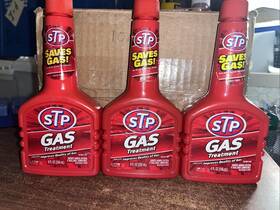
( Brand: Stp ), ( Unit Type: Fl Oz ), ( Volume: 8 Fl Oz ), ( Package Quantity: Pack Of 3 ), ( Fuel Type: Gasoline ), ( UPC: 071153001312 )
Review STP Gas Treatment Oz Lot Of fits FL
The **STP 071153001312 Gas Treatment Filter** is a high-performance, precision-engineered filtration solution designed specifically for industrial gas processing applications where purity, efficiency, and reliability are paramount. This advanced filter is engineered to remove contaminants such as particulate matter, moisture, and trace hydrocarbons from compressed air, inert gases, and other process gases, ensuring optimal performance in sensitive equipment like analytical instruments, semiconductor manufacturing systems, and medical gas delivery networks. Constructed from high-grade materials, including durable stainless steel housing and a proprietary filtration media blend, this unit delivers exceptional filtration efficiency while maintaining structural integrity under high-pressure and temperature fluctuations. The filter s modular design allows for easy installation and replacement, minimizing downtime and operational disruptions in demanding industrial environments. Its compact yet robust construction makes it ideal for integration into existing gas treatment systems, where space constraints and stringent contamination control requirements must be met without compromising on performance. Whether deployed in cleanroom applications, laboratory settings, or large-scale manufacturing facilities, the STP 071153001312 ensures consistent gas quality by effectively trapping submicron particles and absorbing unwanted impurities, thereby extending the lifespan of downstream equipment and safeguarding critical processes from contamination-related failures. Built to adhere to stringent industry standards, this filter combines precision engineering with long-term durability, making it a trusted choice for industries where gas purity is non-negotiable.
### Pros and Cons of buying a STP 071153001312 Gas Treatment Fluid
#### **Overview**
The **STP 071153001312** is a gas treatment fluid, likely designed for use in automotive fuel systems, particularly for carbureted or older engines where fuel additives are recommended to improve performance, reduce carbon buildup, and enhance combustion efficiency. Below is a detailed analysis of its advantages and disadvantages.
---
### **Pros**
1. **Fuel System Cleaning**
The product is formulated to dissolve and remove carbon deposits, varnish, and sludge from fuel injectors, intake valves, and combustion chambers. Over time, these deposits can reduce engine efficiency, increase fuel consumption, and cause rough idling. This additive helps restore optimal performance by clearing these obstructions.
2. **Improved Combustion Efficiency**
By ensuring cleaner fuel delivery and better atomization, the treatment can lead to more complete combustion. This results in fewer unburned fuel particles, reduced emissions, and improved power output, especially in engines prone to carbon buildup.
3. **Enhanced Engine Performance**
Users often report smoother operation, better acceleration, and reduced engine knocking or pinging. The cleaner fuel system allows the engine to breathe more efficiently, which can be particularly noticeable in older or high-mileage vehicles.
4. **Preventative Maintenance**
Regular use of this additive can act as a preventive measure against future carbon buildup. It helps maintain the health of fuel injectors and intake ports, reducing the likelihood of costly repairs down the line.
5. **Compatibility with Various Engines**
STP products are generally designed to be compatible with a wide range of gasoline engines, including those in classic cars, performance vehicles, and older models that may not have modern fuel system protections.
6. **Easy to Use**
The product is typically added directly to the fuel tank, making it a simple and non-invasive solution. No special tools or modifications are required, and it can be used alongside regular fuel purchases.
7. **Cost-Effective**
Compared to professional fuel system cleaning services or engine tune-ups, this additive is relatively inexpensive. A single bottle can treat a full tank of fuel, making it a budget-friendly option for maintenance.
8. **Reduced Emissions**
By improving combustion efficiency, the treatment can lower harmful emissions, which may be beneficial for vehicles operated in areas with strict emissions regulations or for enthusiasts who prioritize environmental impact.
---
### **Cons**
1. **Limited Long-Term Effectiveness**
While the product is effective at cleaning existing deposits, it is not a permanent solution. Carbon buildup will eventually return, especially in high-mileage or poorly maintained engines. Regular use is necessary to maintain benefits.
2. **Potential for Overuse**
Using the additive too frequently or in excessive amounts could lead to unnecessary costs without additional benefits. Overuse may also introduce small amounts of the additive into the engine over time, though STP products are generally formulated to be safe in recommended doses.
3. **Mixed Results in Modern Engines**
Newer vehicles with direct fuel injection systems or advanced emissions controls may not benefit as much from this additive. These systems are often designed to handle fuel additives differently, and some manufacturers may not recommend such treatments for modern engines.
4. **Possible Incompatibility with Other Additives**
Mixing this product with other fuel additives (e.g., octane boosters, lubricity enhancers, or corrosion inhibitors) could lead to chemical reactions that reduce effectiveness or cause engine issues. It s important to check compatibility with other products being used.
5. **Temporary Performance Boost Followed by Return to Normal**
Some users experience a noticeable improvement in performance after using the additive, but this may taper off once the initial cleaning effect wears off. The engine may return to its pre-treatment condition if the additive is not used regularly.
6. **No Substitute for Professional Maintenance**
While the additive can help with minor issues, it cannot replace regular maintenance such as fuel system flushes, injector cleaning, or engine tune-ups. For severely clogged or damaged fuel systems, professional servicing is required.
7. **Scent and Residue Concerns**
Some users report a slight odor from the additive, which may linger in the fuel tank or engine bay temporarily. Additionally, in rare cases, residue from the additive could leave a slight film in the fuel system, though this is uncommon with reputable brands like STP.
8. **Not Suitable for All Fuel Types**
The product is typically formulated for use with gasoline. Diesel engines or alternative fuels (e.g., ethanol blends) may not benefit from or could be damaged by this additive. Always verify compatibility with the vehicle s fuel type.
---
### **Ending Conclusion**
The **STP 071153001312 Gas Treatment Fluid** is a practical and affordable solution for restoring and maintaining the health of fuel systems in older or high-mileage gasoline engines. Its primary strengths lie in cleaning carbon deposits, improving combustion efficiency, and enhancing engine performance benefits that are particularly valuable for classic cars, performance vehicles, or engines that have not been regularly maintained. The ease of use and cost-effectiveness make it an attractive option for DIY maintenance.
However, the additive is not a cure-all. Its effects are temporary, and it is not a substitute for professional maintenance or regular upkeep. Modern engines may derive limited benefits, and overuse or improper application could negate its advantages. Additionally, compatibility with other additives or fuel types must be carefully considered to avoid potential issues.
For owners of older or poorly maintained gasoline engines, this treatment can be a worthwhile investment to improve performance and extend the life of the fuel system. For newer vehicles or those with complex fuel systems, the benefits may be minimal, and other maintenance approaches should be prioritized.
---
### **Recommendation**
- **Use it if:**- You own an older gasoline engine (especially carbureted or high-mileage) that shows signs of carbon buildup, such as rough idling, reduced power, or increased fuel consumption.
- You want a simple, cost-effective way to maintain or restore fuel system health without major disassembly.
- You are not using other fuel additives that could interact negatively with the treatment.
- **Avoid or use cautiously if:**- Your vehicle is a modern direct-injection engine, as the benefits may be minimal or nonexistent.
- You are using other fuel additives simultaneously; check compatibility or consult the manufacturer s guidelines.
- You have a severely clogged fuel system that requires professional cleaning or repair.
- Your engine runs on diesel or alternative fuels not specified for this additive.
- **Best Practices:**- Follow the dosage instructions precisely to avoid overuse.
- Use the additive as part of a regular maintenance routine rather than expecting permanent results.
- Combine its use with other recommended maintenance tasks, such as air filter changes, oil and filter replacements, and periodic fuel system flushes.
- Monitor engine performance after use to assess effectiveness and determine if further treatments are needed.
In summary, the STP 071153001312 Gas Treatment Fluid is a useful tool for specific applications but should be used judiciously and in conjunction with broader engine maintenance strategies.
Details:
STP Gas Treatment 8 Fl Oz Lot Of Shipped with USPS Ground Advantage.
specifications automobilefluids:
- for models: Fl
- brand: Stp
- unit type: Fl Oz
- volume: 8 Fl Oz
- package quantity: Pack Of 3
- fuel type: Gasoline
- upc: 071153001312
general automobilefluids:
- Automotive Tools Supplies > Fluids Chemicals > Motor Oil
- condition: New other see details
seller automobilefluids:
- rating: 99.8%
- # reviews: 3260
- city: Philadelphia, Pennsylvania
payments automobilefluids:
- wallet: Paypal
- other
- credit card: Diners-club
offer automobilefluids:
- availability: In Stock
- quantity: 1
- sold: 0
- options: Ship-to-home
- started: February 13, 2026
returns automobilefluids:
- paid by: Buyer
- policy: Returns Accepted
- time: 30 Days
shipping automobilefluids:
- type: Calculated
- transit: 10-13 Days
- cost: $15.25
- carrier: USPS
- class: Standard
- service: USPS Ground Advantage
Stp 071153001312 Is Similar To:
- Stp 159787 Heavy Duty Ceramic Oil Treatment Advanced Lubrication 32 Oz (39.3% similar) Brand NEW32OZ 1 bottle per order...(August 7th, 2024)
- Stp 15604b High Mileage Oil Treatment Stop Leak 15 Fl Oz Pack Of 2 (53.9% similar) High-viscosity formula creates a thick cushion between moving engine parts to reduce friction. Formulated for vehicles with more than 75,000 miles. Leak stopper helps prevent engine leaks, noises and smoking to rejuvenate seals gaskets. Add this oil treatment to engine during every change...(August 18th, 2024)
- Stp E302891300 Synthetic Automotive Oil Treatment Help Enhance Durability 15 Fl Oz (41.2% similar) DP oil additive helps to protect against engine wear keep your car running efficiently. Detergents in this Stp oil treatment help to keep the engine clean and prevent deposits. Stp synthetic oil treatment provides extra protection for extended oil drain intervals that come with synthetic use. This ...(August 31st, 2024)
- Stp 071153001329 Gas Treatment 12 Fl.oz Improves Quality Of Gasoline New (65% similar) I do show the label when available so you can see part number.: 12 fl.oz, gas treatment, improves quality of gasoline. What is included in this listing the picture. Condition: new. Please view the pictures. In stock ready to ship. If you don't see it, its not included, unless specifically mentioned ...(September 15th, 2024)
- Stp 203084 Multi-purpse Motor Treatment Plus Fuel Stabalizer 16 Fl Oz 2 Pack (45.5% similar) Condition: new open box. Box has been opened to verify product. Please see pics. Fast shipping. Location: A2280/A3...(September 19th, 2024)
- Stp 156593 Lot Heavy Duty Ceramic Oil Treatment Advanced Lubrication Technology 4quarts (37.3% similar) It is a must-have for any car owner who wants to maintain their cars optimal performance. This lot of 4/1 qt Stp heavy duty ceramic oil treatment advanced lubrication technology is a great addition to any automotive tools and supplies collection. This product is designed to improve the performance ...(October 14th, 2024)
- Stp E303017400 High Mileage Oil Treatment Stop Leak 15 Fl Oz Pack Of 1 (53.8% similar) Its suitable for all cars, light trucks and Suva. Formulated especially for vehicles with over 75,000 miles, this high-viscosity engine additive includes DP oil as an anti-wear agent extra protection. Engine stop leak helps to rejuvenate seals and gaskets engine leaks, noise smoking improve the ...(October 22nd, 2024)
- Stp 071153193871 Ceramic Oil Treatment Protective Coating And Anti-friction Technology 15 (44.1% similar) For over 60 years, and for more miles than anyone can count, Stp has been one of the most trusted names in automotive care. Formulated for lasting protection, this engine treatment remains even after your oil is changed to protect up 15,000 miles. Help extend your engines life with Stp ceramic oil ...(November 4th, 2024)
- Stp 071153651487 65148 Oil Treatment 15 Fl Oz (61.1% similar) Stp oil treatment fights friction to help protect against engine wear. High-viscosity formula can be used for all cars, light trucks and Suva. Reduces oil burning. Contains zinc anti-wear agent DP that fights metal-to-metal friction. Stp 65148 oil treatment - 15 fl. This high-viscosity formula, ...(November 7th, 2024)
- Stp 78578 Gas Treatment 2 Red Bottles Fuel Intake System Injectors Cleaner Additive (41.5% similar) 5.25 fl oz bottles...(November 8th, 2024)
- Stp E302846000 Ceramic Oil Treatment Anti Friction Technology 15 Oz (44.8% similar) It can be added to both conventional and synthetic oils. This coating acts as a protective barrier between the moving metal parts. Microscopic coating: ceramic oil additives contain microscopic ceramic particles. Heat resistance: ceramics are also excellent heat conductors and have high resistance. ...(December 28th, 2024)
